
How to Use AI in Your Genealogy Research (Without Losing Good Research Habits)
- tristathegenealogist

- Mar 14
- 3 min read
If you’ve been researching your family history for any amount of time, you’ve probably noticed that research methods are constantly evolving. Not that long ago, researchers were scrolling through miles of microfilm. Then came digitized records. Then DNA testing. Then massive online databases.
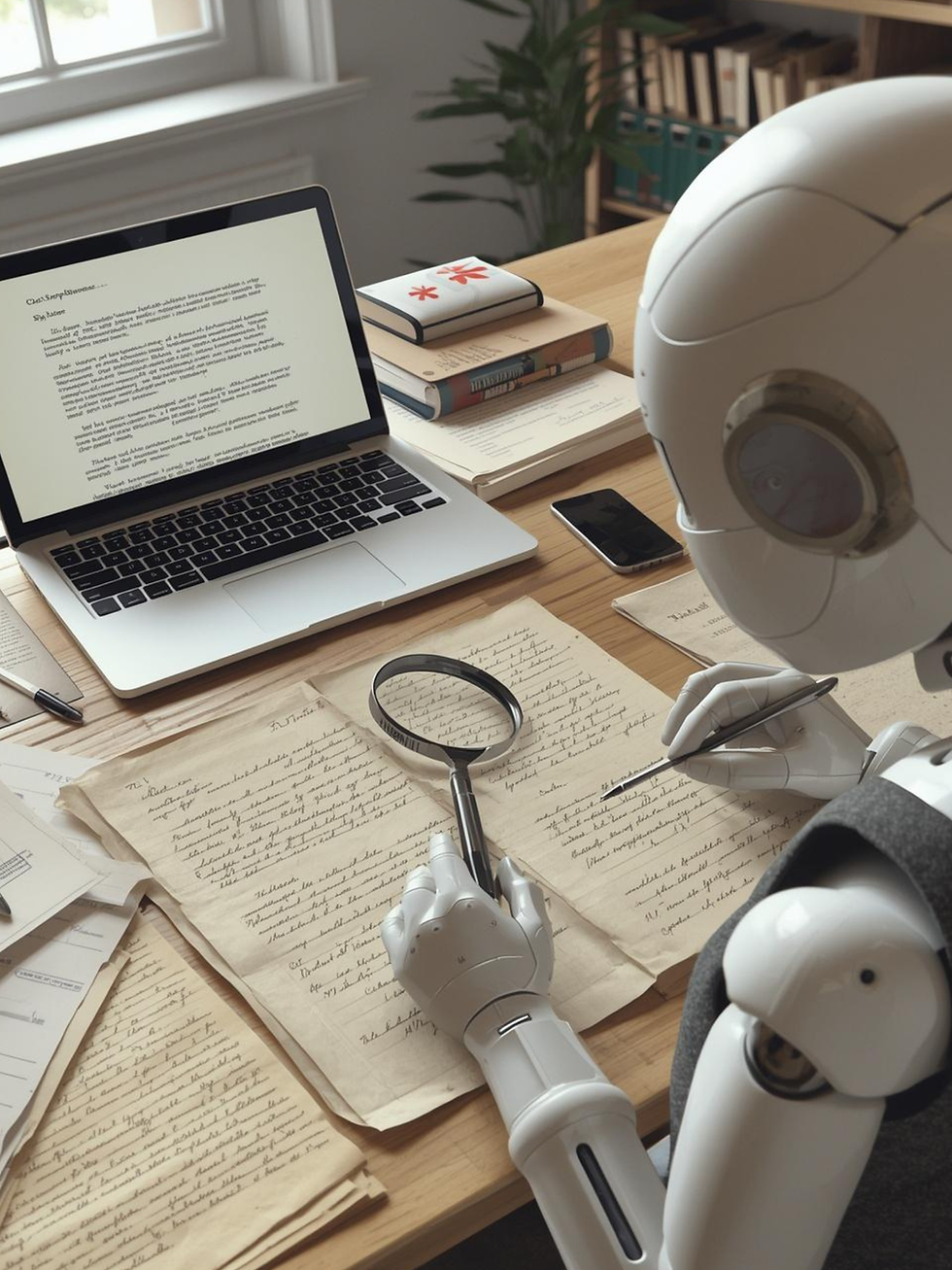
Now AI has entered the chat. And the question genealogists are asking isn’t just “Can AI help?” but can it help "ethically and reliably?”
AI isn’t a magic eight ball. It won’t prove your third great-grandfather’s parents. What it can do is help you organize information, interpret documents, and generate new research ideas. So the answer is yes, AI can help with family history research. But it works best when it’s used as a tool to support research, not as a source of truth.
Think of it as a research assistant who never gets tired of reviewing your notes. And like any research tool, the key is knowing how to use it in a way that reinforces good research. So where to begin...
Start With a Document
One of the easiest ways to begin using AI is with a historical document.
For example:
a census record
a probate file
a newspaper article
a land record
a church record
Instead of just reading it once and moving on, paste the transcription into an AI tool like ChatGPT and ask it to extract genealogical clues.
Example prompt: “Analyze the following document and list every genealogical clue it contains, including names, relationships, locations, occupations, and possible research leads.”
This helps pull out details that are easy to miss, especially in longer documents.

Ask AI to Organize Your Research Notes
Many genealogists collect notes over time that can become… let’s say… a little messy.
You might have:
census records
birth estimates
migration guesses
possible relatives
conflicting dates
AI can help get you organized.
Try pasting your notes and asking: “Create a chronological timeline based on these research notes.”
Seeing your information laid out in a timeline often reveals things like:
missing years
conflicting evidence
migration patterns
It’s a simple trick that can make complicated research much clearer.
Use AI to Generate Research Ideas
Sometimes we get stuck because we’re only thinking about one type of record.
Most beginners focus on:
census records
birth records
marriage records
death records
But genealogists eventually learn that many family clues show up in less obvious places. AI can help suggest additional records you might not have considered.
For example, you could ask: “Based on this record, what other types of historical records might exist for this person?”
AI might suggest things like:
probate records
land deeds
tax lists
church registers
military files
This can help expand your search beyond the usual sources.
Use AI to Look for Patterns
This is where AI can become really helpful. When you're researching a family, patterns matter.
Things like:
naming patterns
neighbors in the census
repeated locations
migration routes
AI is very good at spotting patterns when you give it multiple records to analyze.
You can paste several records and ask: “Analyze these records and identify possible patterns or connections between the individuals mentioned.”
Sometimes this helps reveal relationships or research directions that weren’t obvious at first glance.
Use AI as a Second Set of Eyes
Now let me say something important here.
Personally, I actually prefer doing the detective work myself.
The pattern recognition, the “wait a minute…” moments, the excitement of connecting two records that suddenly make everything click… that’s part of what makes genealogy so much fun.
I would never give up that experience.
But every genealogist eventually hits a point where they’ve looked at the same records so many times they start seeing the same thing over and over again, and that’s when AI can be helpful to act as another set of eyes on the evidence.
Sometimes a fresh perspective is exactly what you need.
A Final Tip for Using AI in Genealogy
AI works best when you treat it as a research assistant, not an authority.
Always remember:
AI can make mistakes
AI doesn’t verify sources
AI cannot prove genealogical relationships
The real work of genealogy still comes down to records, evidence, and careful reasoning. But when you use AI for genealogy research thoughtfully and responsibly, AI can save time, organize information, and sometimes even help you see your research in a new way.
And in family history research, sometimes that’s all it takes to move forward.
Keep your family’s stories alive. Contact me at hello@tristathegenealogist.com or through the contact page on my website, and together, we can ensure that your legacy lives on for generations to come. Don't wait until it's too late.


Comments